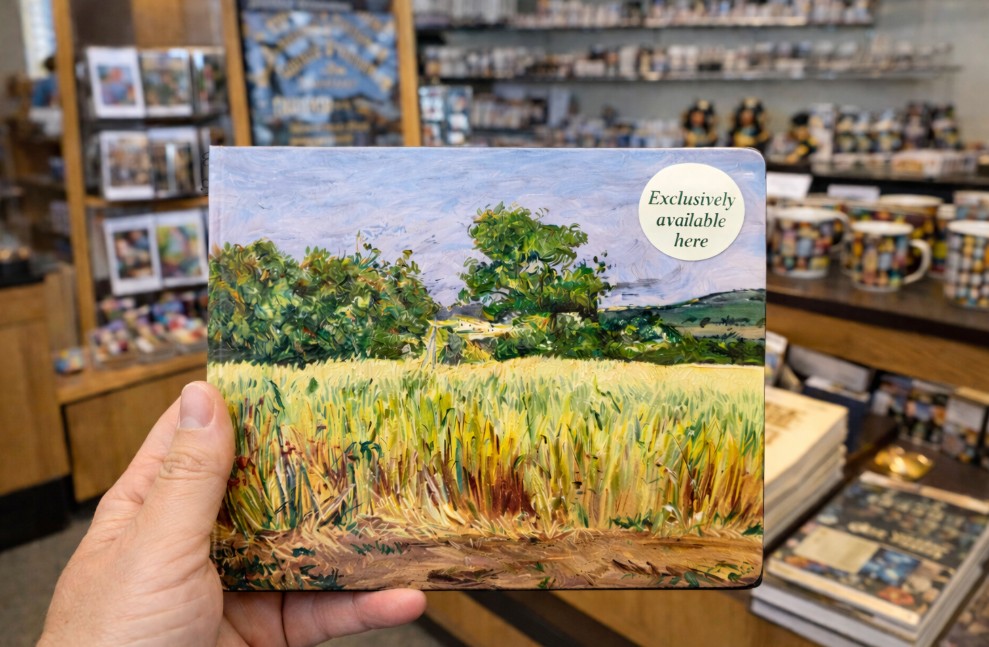
Exclusivity creates immediacy in museum retail.
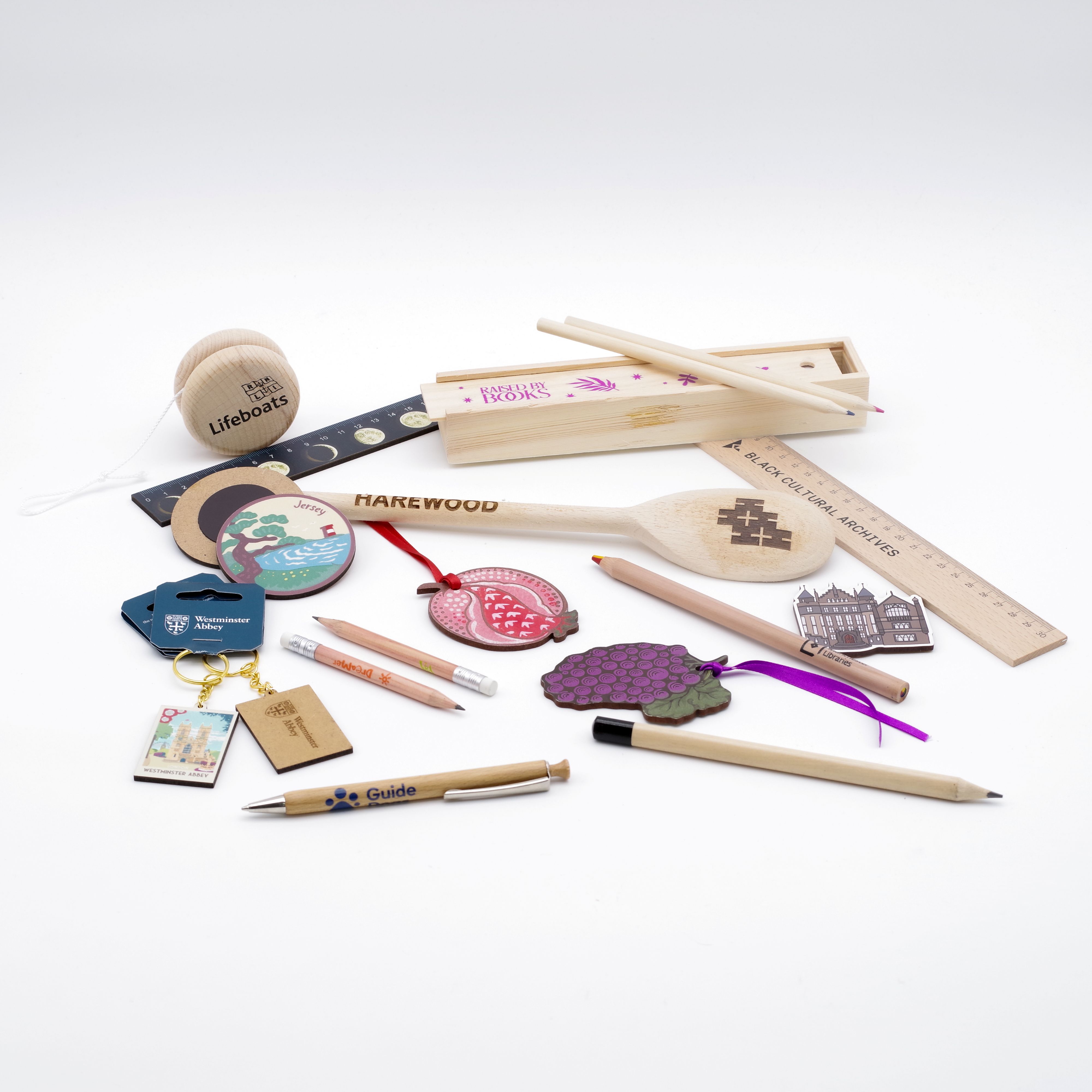
Museum retail operates in a unique moment. Visitors are often time-limited, emotionally engaged, and immersed in a sense of place. What they buy is rarely just a product, and as we have said many times before, a well-designed bespoke product is a way of holding onto the experience of being there.
This is exactly why exclusivity matters.
When a product is clearly and genuinely exclusive to a particular museum, gallery or attraction shop, the decision to buy changes. Visitors are no longer asking whether they should think about it later. They understand that later does not exist. If they want that object as part of the visit, the moment to act is now.
Exclusivity, therefore, creates that immediacy.
The perception problem
This is especially important when licensed products are present in a museum shop. Licensed ranges play an important role. They generate vital income beyond the institution itself and extend collections and brands into the wider world. Having held licences ourselves at Cornflower, we understand their value and their reach.
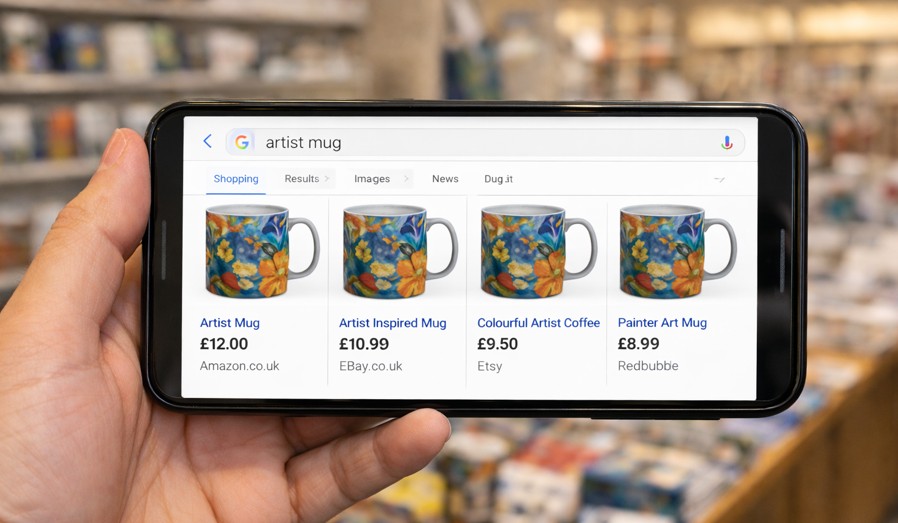
However, inside the museum shop, perception matters. Even when a product features a museum’s name or imagery, visitors could assume it might be available elsewhere. That assumption introduces hesitation, and it is this hesitation that is the enemy of in-the-moment purchase.
"I might be able to find this elsewhere online, so I can get this later, I don’t need to decide now.”
That single doubt is often enough to delay a purchase or invite price comparison.
Making exclusivity visible
So, this exclusivity only works if it is understood. Clear communication, whether through product development, storytelling, or simple labelling removes uncertainty. A product that is explicitly “exclusively available here” becomes anchored to the visit itself, the decision shifts from comparison to connection.
Why it matters
The most successful museum products do not compete on price or convenience. They succeed because they belong to a place, a collection, and a moment in time. In this situation, therefore, exclusivity is not about artificial scarcity; it is about helping visitors recognise when something is genuinely tied to where they are and what they are experiencing.
When that is clear, the decision happens naturally in the shop, during the visit, while the memory is still alive.
What we all know is that this is where museum retail is at its strongest.