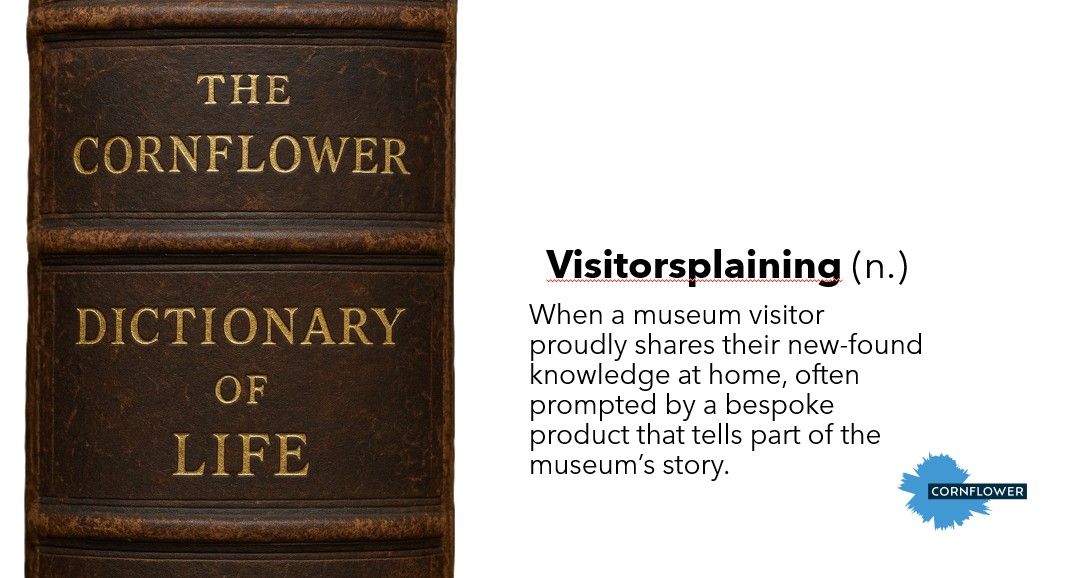
Following on from the Cornflower Roadshows, Simon Nutbrown expands on the concept of Visitorsplaining and how it is a force for good.
“Mansplaining” is rarely a compliment.
It’s the word we use when someone explains something they weren’t invited to, or wasn’t theirs to claim. What if there were a kind of explaining that was welcome? One that didn’t diminish, interrupt or patronise, but inspired, delighted and shared knowledge?
Welcome to Visitorsplaining.
Visitorsplaining is the moment when a museum visitor gets home and says, “Let me tell you about what I saw…” and crucially, they have something in their hands to help tell that story.
Products that speak.
Think about what happens after a visit. The memory may fade slightly, the photos stay on a phone, posters get rolled up, catalogues sit on coffee tables. The right object though, well that stays in a kitchen, on a desk, on a shelf, in a pencil case, on the fridge.
When someone then asks, “where did you get that?” it is the product that answers.
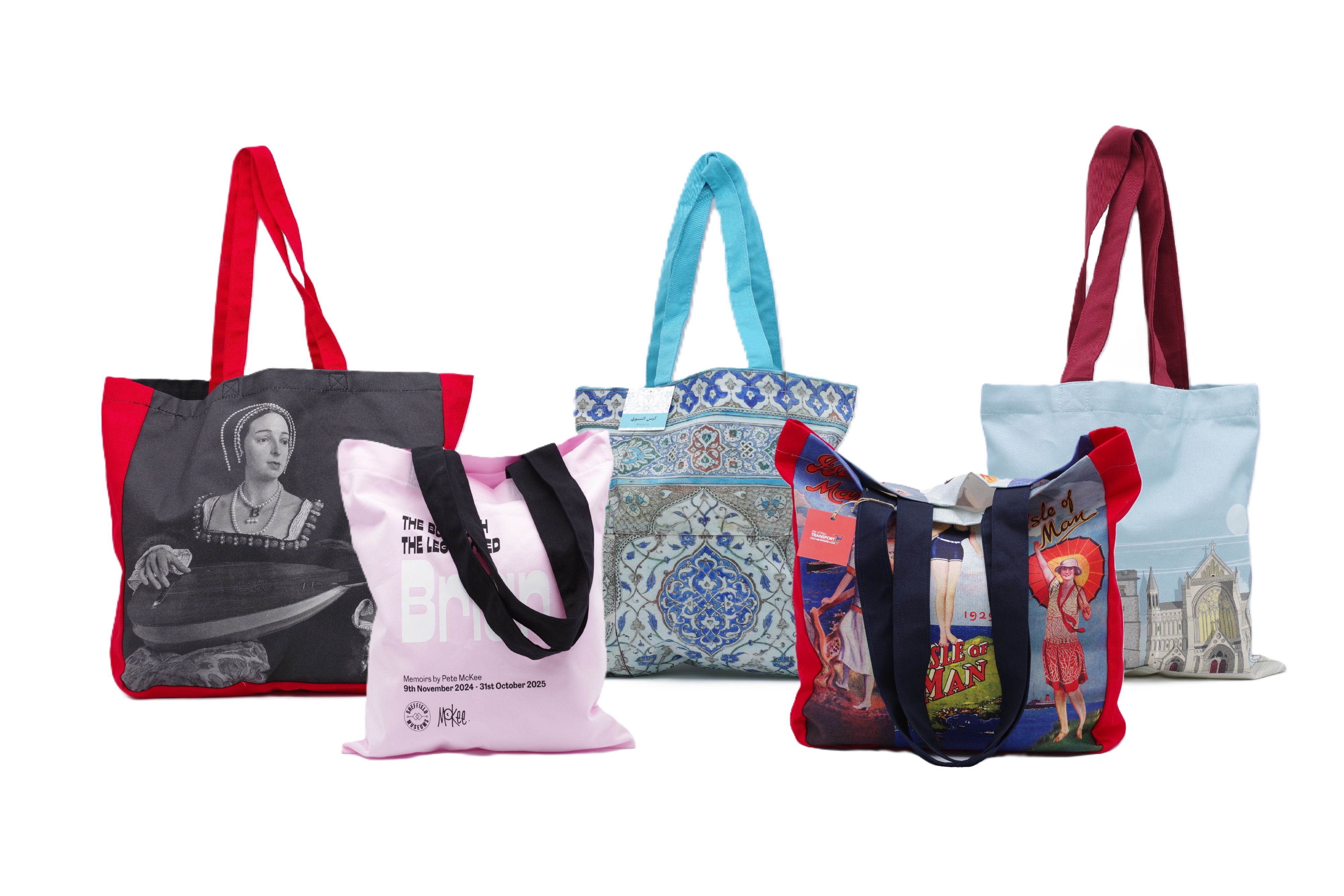
A beautifully designed tea towel becomes a lesson in medieval maps. A bookmark introduces an artist’s technique. A print sparks a conversation about history, place, people or protest.
Good cultural retail products don’t just decorate lives, they narrate them.
Visitors want to show off, in a good way.
Let’s be honest: people love to show what they know. For a museum visitor though, that instinct isn’t about ego – it’s about enthusiasm.
Visitors are bursting with: “Did you know…” “I never realised…” Wait until you hear this…” When museums give visitors the right tools, they become storytellers. When shops sell products that teach, that enthuse, storytelling becomes effortless.
Visitors don’t have to memorise facts. They don’t have to explain context from scratch and the product does the quiet heavy lifting.
Generic gifts don’t create great stories
There’s a huge difference between "I got this in a museum" and "I got this from that exhibition, it's based on a real object that I saw in their collection, look, here's the story"
Generic gifts are easily forgotten, yet well-designed bespoke products are harder to stop talking about. The crux of this is that if a product could have been bought anywhere, it belongs nowhere. If it is exclusive, if it could only belong to that museum, then it becomes part of the visit itself.
Visitors are your most powerful marketing channel
No museum has more powerful ambassadors than its own visitors. Not social media, not advertising, not review websites - word of mouth is surely the most powerful marketing. When someone takes a product home and uses it, displays it, gifts it, talks about it, they are not just remembering the museum, they’re promoting it.
This is retail as advocacy, merchandise as memory. Product design as public engagement.
Visitorsplaining turns customers into communicators, products into prompts to help make those explanations.
Mansplaining? No Thanks.
Visitorsplaining? Absolutely. Mansplaining talks over people, whilst visitorsplaining invites people in. It’s not about knowing more than others, it’s about sharing something worth knowing.
Visitorsplaining is a Force for Good
Visitorsplaining doesn’t lecture, it invites, it doesn’t dominate, it delights. It transforms visitors from customers into communicators.
After all, Cultural retail at its best doesn’t simply sell objects, it equips visitors to leave as storytellers.
And at Cornflower, that is exactly what we design for. Why not set up a meeting with us to see what we can do for you, and your visitors.