What exactly does the term sustainable mean? Simon Nutbrown argues that truly sustainable products move beyond just the materials used in their production.
In museum retail, sustainability is often discussed in terms of the materials used to make products: recycled materials, FSC® certified wood or paper, organic cotton. These choices matter, and they are rightly part of the conversation.
But these things do not, on their own, address the bigger picture.
In reality, sustainability in museum retail is shaped just as much by how ranges are planned, how much is ordered, what is held in stock long-term, and what quietly ends up discounted, written off, or discarded. Materials are visible; systems are not. Yet it is the systems that often determine whether a product is genuinely sustainable over its lifetime.
Longevity matters more than novelty
A product that stays in someone’s home for years is more sustainable than one that is briefly fashionable and quickly forgotten.
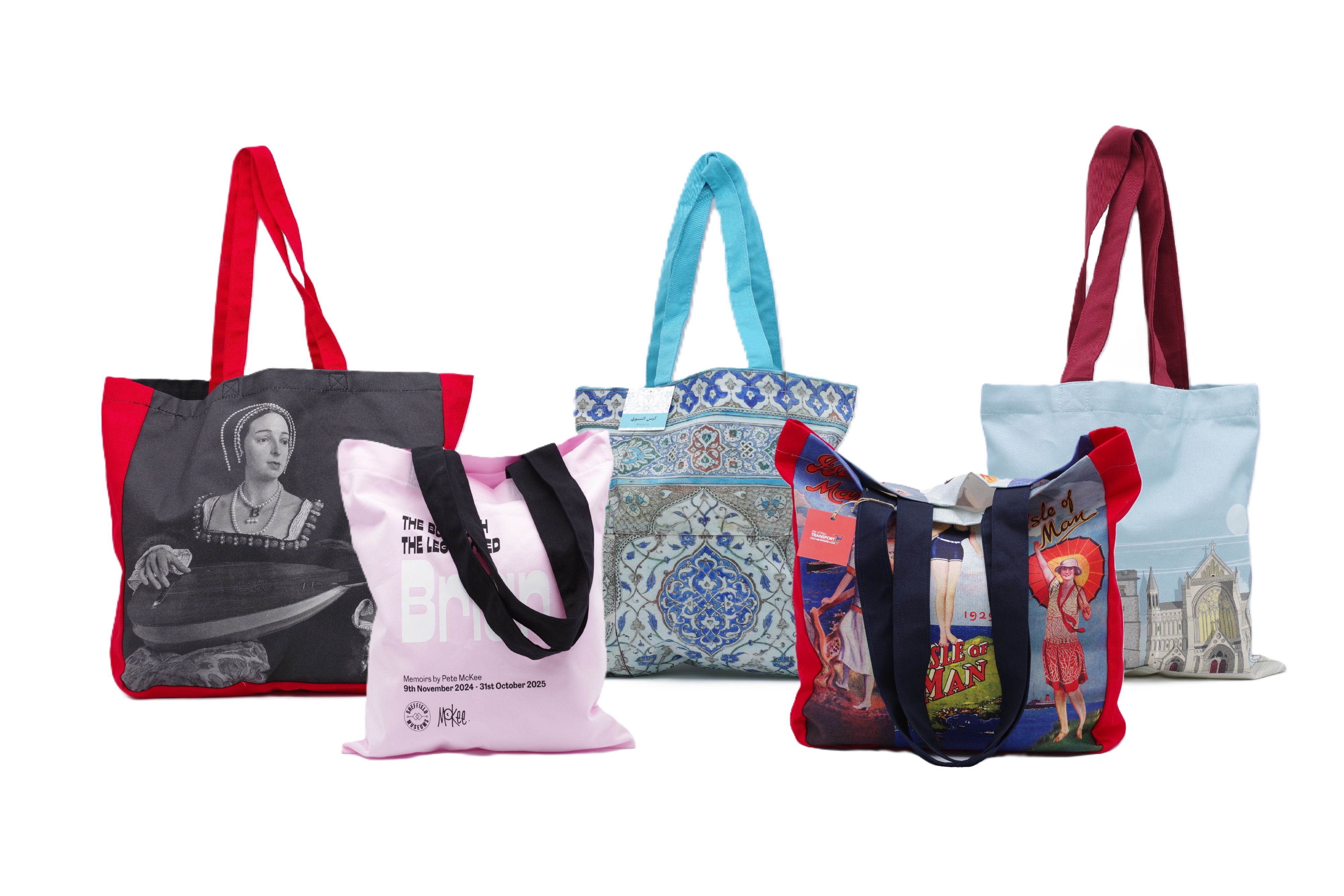
Museum retail is uniquely well placed here. Objects connected to a collection, a building, or a story tend to be treated as keepsakes rather than clutter. They hold meaning beyond decoration or utility. That meaning gives them longevity, and longevity is one of the most powerful sustainability outcomes a retail product can have.
At Cornflower, this principle shapes how we approach product development. We focus on creating ranges rooted in collections, architecture, place, and narrative, products designed to still feel relevant years after purchase, not just for a single season.
Specific beats generic
Products that are clearly tied to a place or institution are valued differently by visitors.
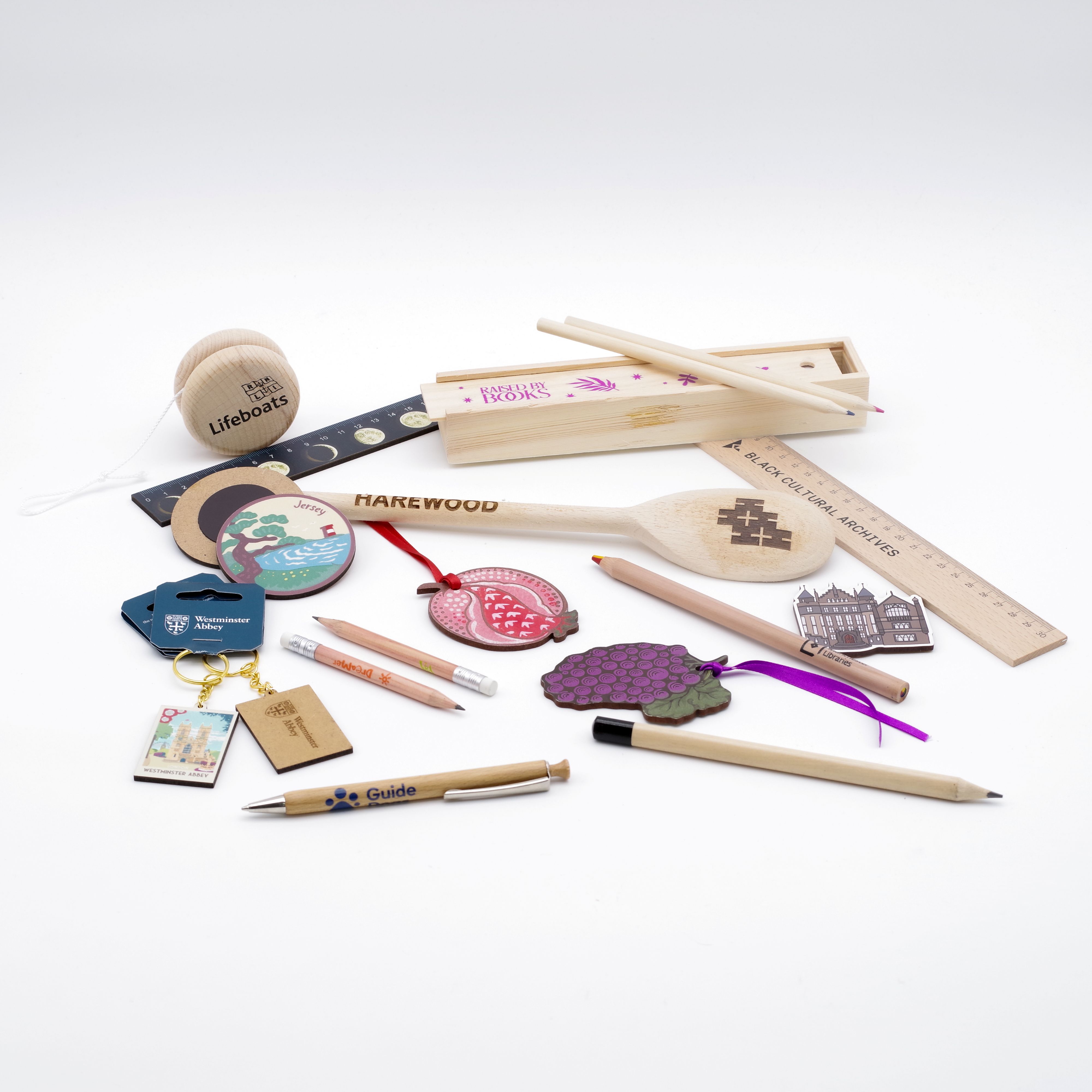
A museum-exclusive product cannot be easily price-compared online. It cannot be swapped out for a cheaper equivalent from another shop. It belongs to that visit, that institution, that experience. As a result, it is more likely to be kept, less likely to be replaced, and less likely to be discarded.
That emotional durability is an overlooked part of sustainability. When a product carries a sense of place, it resists the disposability that drives so much retail waste. From our perspective, bespoke does not just mean exclusive, it means purposeful.
Quantity is a sustainability decision
Overstock is one of retail’s least discussed sustainability failures. Excess stock ties up cash, demands storage, and often ends its life on a clearance table, or worse, written-off entirely. None of that is environmentally neutral. Yet over-ordering is often driven by optimism, fear of running out, or pressure to hit perceived range sizes rather than realistic demand.
Careful range planning, realistic volumes, and the confidence to order what will sell can have a greater environmental impact than changing substrates alone. At Cornflower, low minimum order quantities and short lead times allow customers to work with tighter stockholding, reducing the risk of overproduction, excess storage, and end-of-life discounting. In this way, sustainability is supported not through abundance, but through restraint and responsiveness.
Understanding the footprint
Knowing where something comes from, how it is produced, and the footprint of that supply can matter more than the headline material specification.
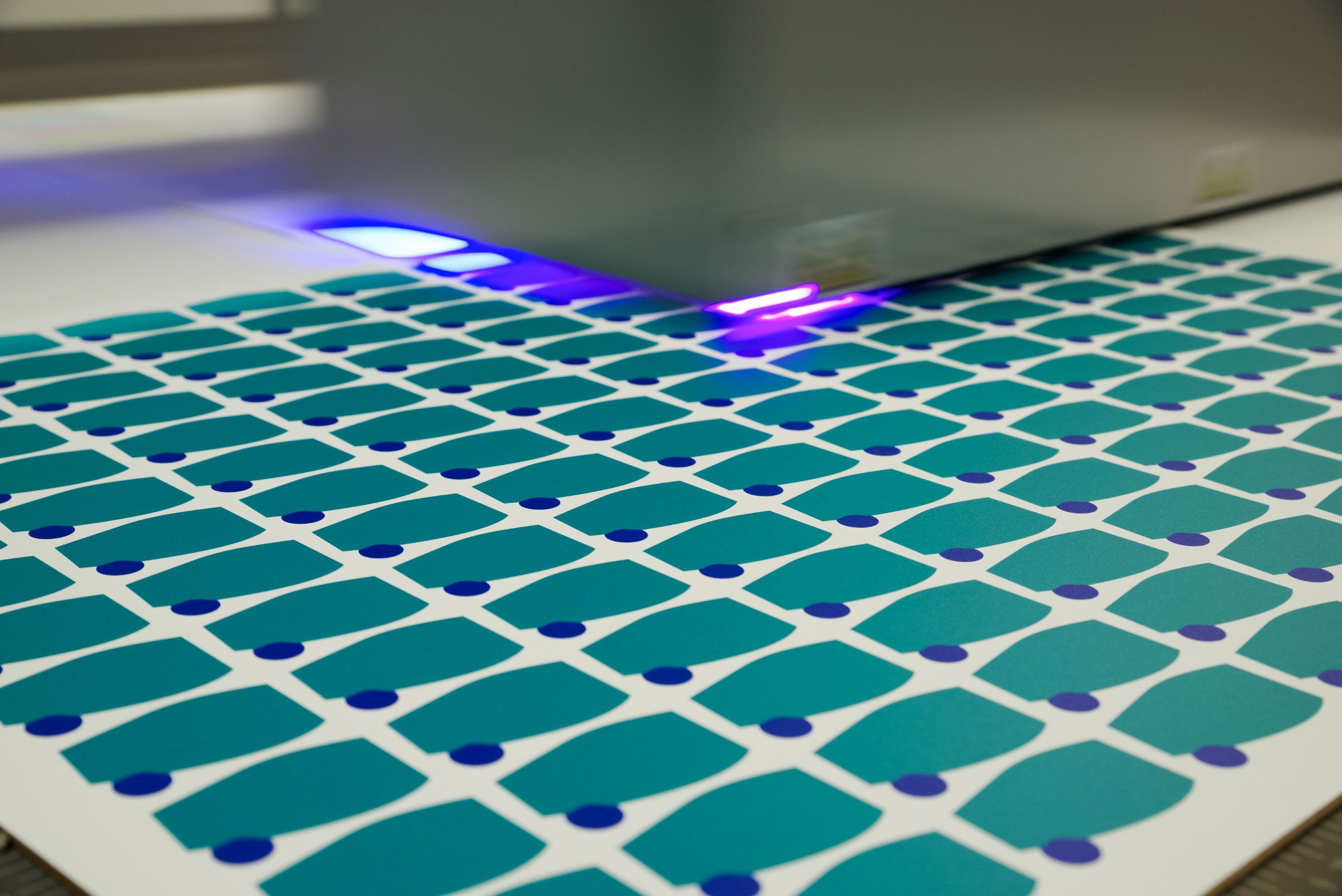
Through our FSC® and ISO 14001 certifications, we are challenged at Cornflower to continuously improve our environmental performance. Sustainability improvements are often incremental rather than dramatic: switching to paper tape to improve recyclability, moving to LED lighting throughout the building, and shredding old cartons for packing infill instead of using bubblewrap. None of these changes is headline-grabbing on its own, but together they reduce waste and improve efficiency across the system.
This kind of operational sustainability is rarely visible to the end customer—but it matters.
Sustainability includes financial health
Retail that does not work commercially is not sustainable.
Products must sell. Margins must hold. Income must support the wider institution. If sustainability ignores commercial reality, it becomes theory rather than practice. In museum contexts especially, retail income often supports learning, conservation, and access. A product that fails financially may tick environmental boxes but still undermine the institution it is meant to serve.
From our perspective, responsible sustainability balances environmental intent with commercial viability. The two are not in conflict; they are interdependent.
An embedded approach, not a label
So sustainability in museum retail is not just a material choice or a label on a swing tag. It is a system of decisions, made deliberately and consistently, about design, quantity, longevity, supply, and commercial reality.
At Cornflower, we believe sustainability works best when it is embedded rather than advertised. When it quietly shapes how products are conceived, produced, supplied, and kept. It is not solely a marketing claim, but a way of working.
That is where sustainability moves from aspiration to practice, and where it starts to make a lasting difference.